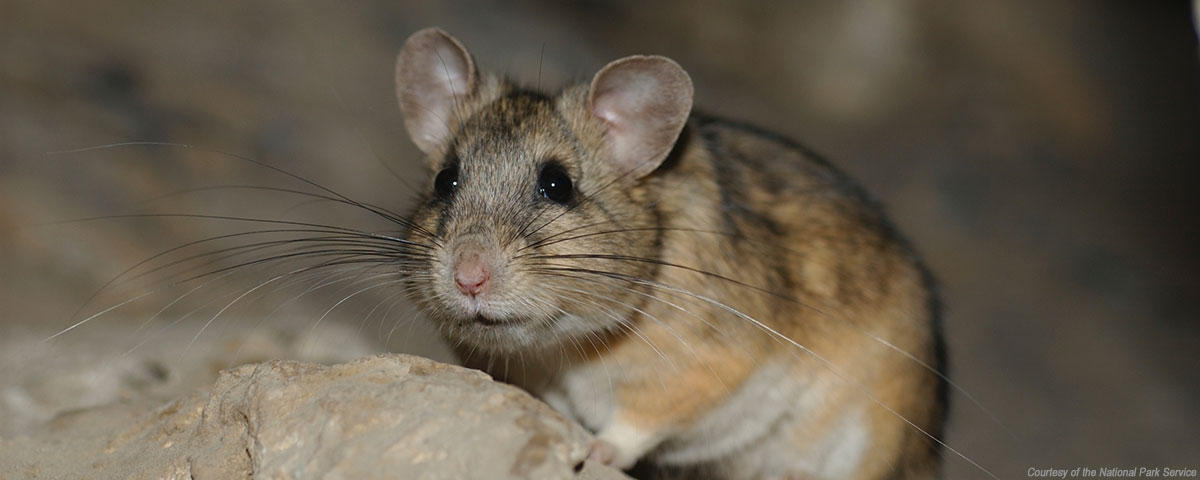
Okay, I admit it. I put this in the blog partly just because this little guy is so cute. But the story that NOAA tells about packrats like this one is important because it shows one way that climatologists determine what the climate was like as much as ten thousand years ago. Packrats, NOAA tells us, “gather plant materials at close range (100 meters at most) and accumulate them in dry caves and crevices. There, those plant materials and other debris, including insect and vertebrate remains, are cemented into large masses of crystallized urine and can be preserved for tens of thousands of years.” You can read more about how scientists use these middens to tease out how the climate has changed over time at https://www.ncei.noaa.gov/news/how-can-pack-rats-teach-us-about-climate.