I ran across a couple of articles this week describing the impacts of climate on cattle feed which you might find interesting.
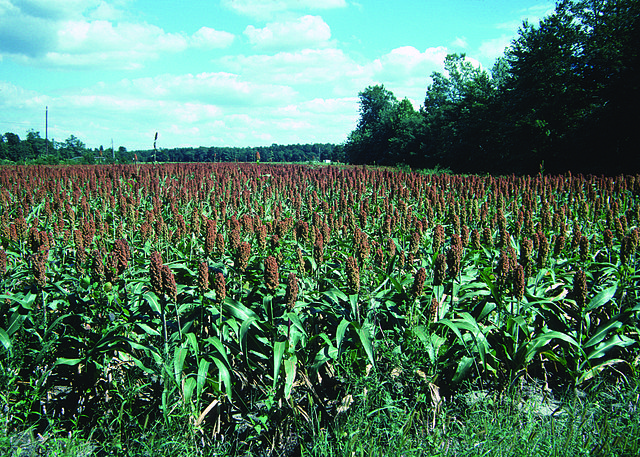
Growing Georgia published an article from Clint Thompson at UGA discussing the benefits of using forage sorghum instead of corn in areas that have water deficits. Sorghum uses less water and can be harvested twice in southern parts of Georgia, according to the report. And dairy cattle seem to do just as well on sorghum as they do on corn while being economically more viable. This might be especially important in the next year or two since the developing La Niña could produce dry conditions next spring which could last through the 2017 growing season.
AgWeb published an article about the impacts of “windrow disease” in alfalfa and how best to manage harvesting fields which have been affected by it. Bruce Anderson, Nebraska Extension Forage Specialist, describes “windrow disease” thus: “Windrow disease — that’s the name I give to the striped appearance in fields where alfalfa windrows remained so long that regrowth was delayed. Usually it’s due to rained on hay and sometimes, insects.” The way to manage it depends on what is going to be eating the forage, since dairy cattle require richer hay than beef cattle, according to the article.