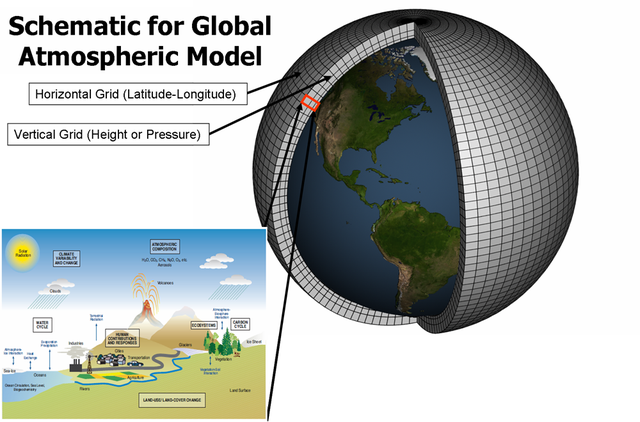
As a meteorologist I often roll my eyes when I hear comments about weather models always being wrong. In fact, most of them are very good, but even the best aren’t perfect, because there are inherent errors in input data, simplifications of atmospheric processes like precipitation formation which happen on small scales, computing errors due to grid size and computing limitations, etc. But even if they aren’t perfect, they can provide very useful information that is good enough to help in planning for hurricane evacuations, severe weather, and your family picnic.
Models are in the spotlight now because they are being used in COVID-19 predictions, and I am hearing similar things about how they are no good and their results can’t be trusted. But most of these models are based on known scientific principles, and while they make simplifications and assumptions too, most of them provide a fairly realistic look at what is going on with the pandemic. Dr. Marshall Shepherd of UGA posted a good discussion of this in Forbes.com this morning. You can read it here.