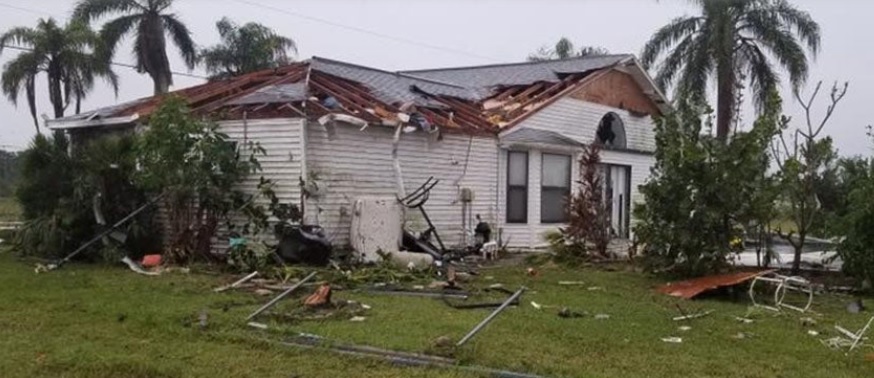
From time to time, I get asked where the safest place to live can be found in the United States, or a county agent will ask me to document the natural hazards that have occurred in or near their county in the last. Money News provided a list of six free online sources of this kind of information that you can use to look at tornadoes, earthquakes, rising sea levels, floods, and other disasters centered on your own location. Since everyone has their own set of criteria for what hazards are the scariest to them, some of the tools allow you to focus on just one type of disaster or look at multiple factors that can affect where you live. I have mentioned some of these sources before, such as the NOAA Sea Level Rise Viewer, but this is a convenient place to find the tools all in one place. It also provides information on how you can protect yourself and your property in case of a natural disaster or even a lesser hazard.