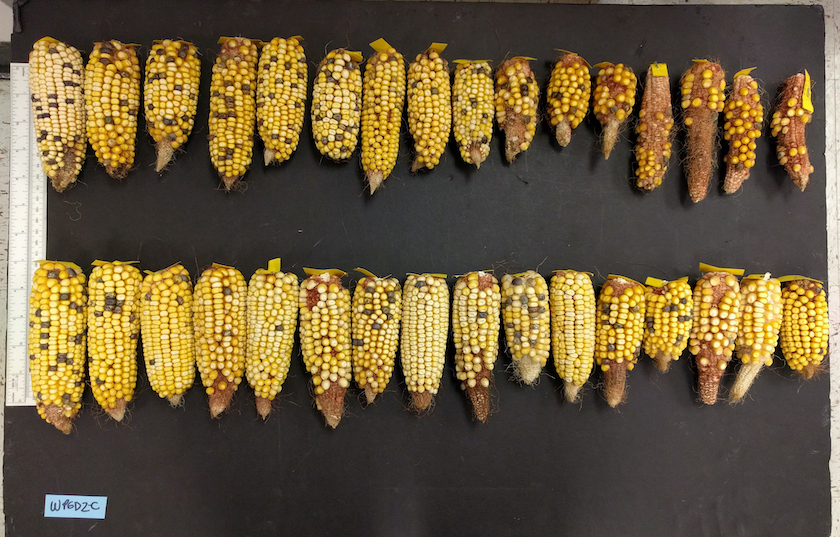
Some crops can take a lot of heat, but others like corn don’t like it when it gets too warm. This story from Wallaces Farmer describes how corn responds to very dry and hot conditions and how it impacts the final yield of the corn crop. I know that some dryland corn in the Southeast this year has already lost most of its yield potential due to the recent hot and dry weather, and farmers with irrigation are running their pumps several hours a day to keep their fields moist. If the rapid onset drought continues, it may start to affect even the irrigated corn. Fortunately, the high appears to have moved off to the east, which leaves room for more showery weather, although how much will fall and where will be critical factors in who gets a good crop and who does not. So far, the tropics have not been a factor, and they may not bring much rain for another month or so, which will likely be too late for some crops.