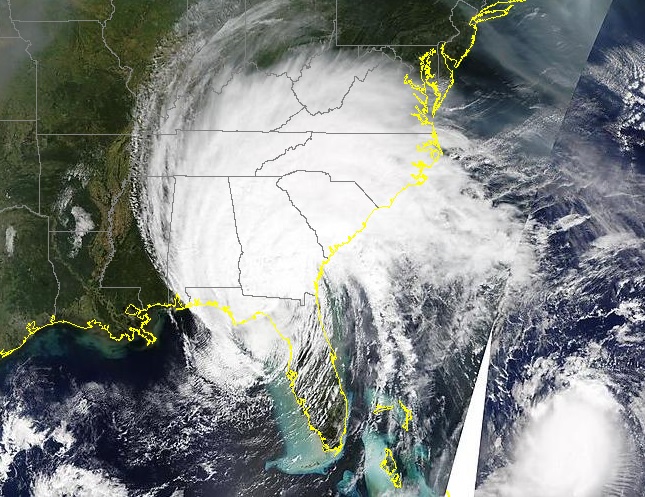
A new study released this week by scientists from Columbia University shows that deaths from hurricanes are likely far higher than the official counts released by the National Hurricane Center, according to an article by Seth Borenstein at Associated Press. The scientists looked at excess deaths after the storms, a standard statistical technique that is often used after disasters when direct counts of death are likely to be incomplete. The study showed that the poorest counties had 57% of the excess deaths compared to the wealthiest counties, which had 6%. The excess deaths come from heart and lung issues, infections, injuries while rebuilding and mental health issues.
I was particularly interested to read that the largest gap was for 2017’s Irma, where NOAA said 92 people died directly or indirectly in the United States, while Columbia scientist Robbie Parks counted 1,202. Hurricane Maria is another storm that is widely believed to have far more deaths than the official count in Puerto Rico. If you are in a county with social and economic challenges, you need to be aware of the extra stresses that may cause increases in your county’s mortality following a hurricane or other natural disaster.