Peanuts: Dr. Abney mentioned that he has received several reports over the past two weeks of beet armyworm (BAW) infestations in Georgia peanut fields, particularly in the southwest region of the state. While we’re on the outskirts of the SW region, I strongly encourage everyone to scout regularly for BAW and other insect pests, especially considering the widespread infestations and severe defoliation that occurred in some unmonitored fields during 2024. You should also keep in mind that BAW populations have developed resistance to chlorantraniliprole (Vantacor, formerly Prevathon) over the last three years, reducing the effectiveness of this commonly used insecticide. If you need guidance on insecticide selection for BAW management, Dimilin, Diamond, and Intrepid are good choices. While scouting for foliage-feeding caterpillars, continue monitoring for lesser cornstalk borer (LCB), a difficult to detect pest that can cause significant yield loss when populations exceed threshold levels; chlorantraniliprole (Vantacor)-based products and the insect growth regulator novaluron (Diamond) remain effective management options. For potato leafhopper (PLH) and hopper burn, no validated treatment threshold exists for PLH in peanut, and yield losses may occur under some circumstances. I generally do not recommend insecticide applications because broad-spectrum products such as pyrethroids can disrupt beneficial insect populations and trigger secondary pest outbreaks, particularly in non-irrigated fields. If you get into a PLH situation, call me, and we can talk through some options. Weather is still perfect for white mold and leaf spot. Be vigilant with your fungicides and don’t forget the leaf spot material.
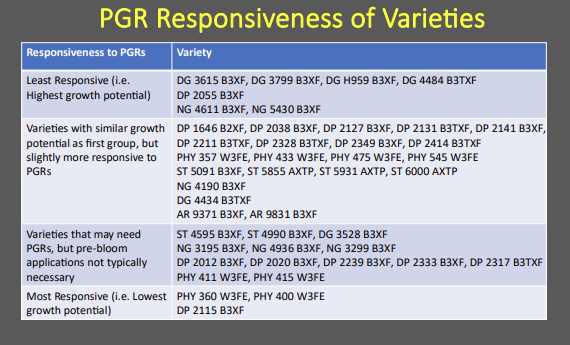
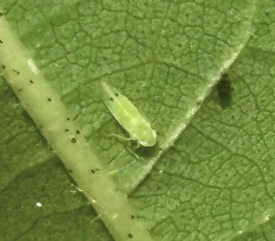
Cotton: As cotton grows taller and internodes begin to stretch farther apart, the crop becomes less responsive to plant growth regulators (PGRs). Cotton is most physiologically sensitive to PGR applications early in its growth cycle, making timely applications critical. As we all know, proper rates and timing depend on several factors, including variety, soil type, and fertility levels. Once a plant becomes excessively vegetative, there is no putting the genie back in the bottle; PGRs do not shrink cotton plants. Many of our current varieties benefit from one or more pre-bloom PGR applications to help manage growth and maintain a more balanced plant. Cotton has relatively low nitrogen requirements during its early growth stages, but that changes quickly once squaring begins. Nitrogen demand increases sharply and remains high through flowering. This is encouraging news for fields that may have experienced early-season nitrogen losses. As long as adequate nitrogen is supplied before the crop reaches peak demand, recovery is often possible. The goal is to provide a consistent nitrogen supply throughout the reproductive period without overapplying late in the season. Excess nitrogen during late-season growth can delay maturity and stimulate excessive vegetative growth at the expense of the crop. Sulfur should also be considered when making side-dress fertility decisions. Sulfur works closely with nitrogen in plant metabolism, and a sulfur deficiency can limit the crop’s ability to efficiently utilize applied nitrogen. Deficiencies are most likely to occur in sandy soils with low organic matter. In these situations, applying an additional 10 to 15 pounds of sulfur per acre along with the nitrogen application is generally a sound investment. We have received several reports of aphid fungus activity in southwest Georgia. Aphid populations have been highly variable this season, and the fungus is primarily being observed in fields that previously supported relatively high aphid numbers. Once the fungus is established in a field, aphid populations typically collapse within seven days. As a reminder, gray, fuzzy aphid cadavers on the undersides of leaves are a characteristic sign of aphid fungus infection. I also want to remind everyone that jassids can only be reliably identified in the adult stage; immature and nymphal stages cannot be identified with confidence. Adult jassids are recognized by the presence of two prominent black spots on their wings. We have observed numerous “look-alike” leafhoppers that are similar in size and color but lack these diagnostic black spots. Recently, I observed a leafhopper that closely resembled a jassid but had distinct red lines along its sides. If you detect jassids on your farm, please let me know so we can continue monitoring their distribution and activity.