Pruning blueberry bushes sounds intimidating, but it’s actually one of the easiest ways to keep your plants healthy and productive. With just a few basic steps, you can improve airflow, encourage new growth, and enjoy better berries each season.
When to Prune
The best time to prune blueberry bushes is mid-winter to early spring, while the plant is still dormant but before new growth begins. This makes it easy to see the structure of the bush and reduces stress on the plant.
To Begin
You’ll need:
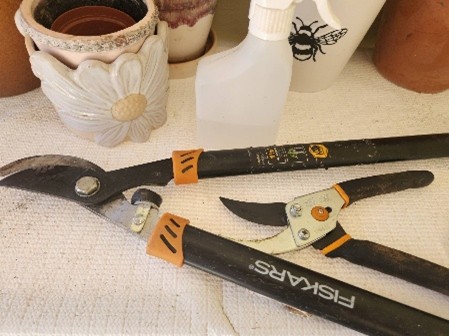
- A pair of loppers for thicker branches at the base
- Hand pruners (clippers) for lighter cuts higher up
Before you start, clean your tools with rubbing alcohol to prevent spreading plant diseases.
What to Remove First
Start by cutting out anything that clearly doesn’t belong:
- Dead or damaged branches
- Thin, weak growth
- Branches that cross or rub against each other
- Low branches touching the ground
These don’t produce good fruit and can invite disease.
Open Up the Center
Blueberry bushes grow best when sunlight and air can reach the center. Remove a few older branches from the middle to create an open, vase-like shape. This helps prevent mold and encourages stronger berry production.
Encourage New Growth
Blueberries produce best on younger wood. Each year, remove 1–3 of the oldest, thickest canes at the base of the plant. This makes room for fresh shoots that will become future fruit producers.
Don’t Overdo It
A good rule of thumb: never remove more than one-third of the bush in a single year. Blueberries are forgiving plants, and light, consistent pruning is better than aggressive cutting.
Final Tip
If you’re unsure, remember this: healthy, open, and balanced. Blueberry bushes don’t need perfection—just a little cleanup goes a long way.
With a few minutes of pruning each year, your blueberry bushes will reward you with healthier growth and sweeter, more abundant berries.
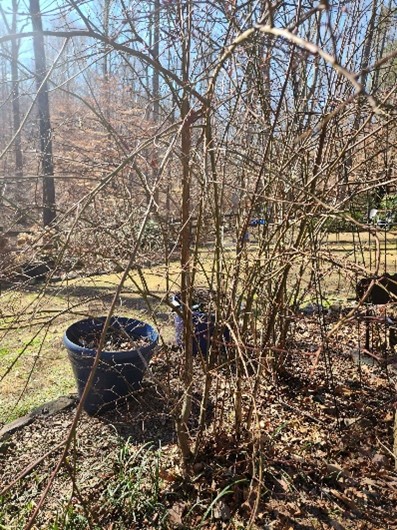
Example 1:
This bush is about 3 years old and has never been pruned. The base of the plant is crowded with old growth and branches crossing each other, which block sunlight and airflow. By removing several branches, you can quickly improve circulation and light exposure.
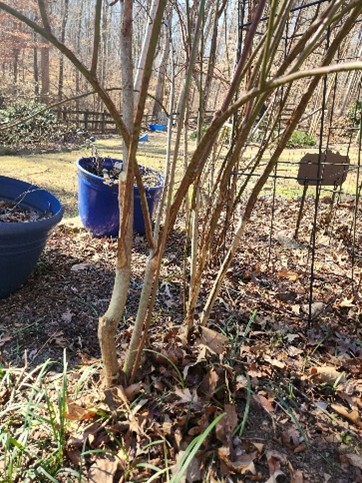
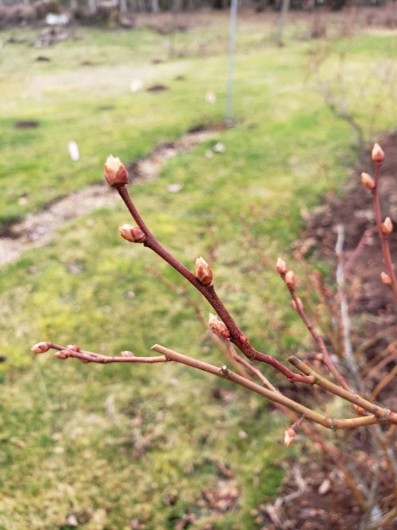
Example 2:
Use hand pruners to trim the tops. Look for branches with disease or very few buds for next year’s production. A healthy branch will have multiple buds, usually clustered toward the end.
Quick Blueberry Pruning Checklist
- Prune in late winter/early spring
- Remove dead, damaged, or weak branches
- Clear crossing and low branches
- Open the center for airflow
- Cut 1–3 oldest canes at the base
- Stop before removing more than ⅓ of the plant
A few minutes of pruning each year goes a long way toward healthier bushes and sweeter berries.
The author of this article, Jeanette Huntington, is a Paulding UGA Extension Master Gardener, trained to provide education for homeowners on horticulture, sustainable landscaping, and environmentally friendly gardening practices using unbiased, research-based information from the University of Georgia. For more information, contact Paulding County UGA Extension at 770-443-7616 or view our online resources at www.ugaextension.org/paulding.