By: Brooke DuMay, UGA Extension Oglethorpe County Summer Intern
As summer begins, I’m sure many of you have been spending more time outdoors, enjoying the sun and all the activities that come with it. Whether you are working with cattle, enjoying a hike through the woods, or just taking care of the lawn, ticks can be a common problem people run into. There are several common tick species found in the southeast, including the American Dog Tick, the Lone Star Tick, and the Blacklegged Tick (Deer Tick).
Ticks live in warmer grassy climates where they can fully complete their life cycle and share environments with humans or other warm-blooded animals. Most ticks’ life cycle has four stages and requires blood in all of them to mature into an adult. Therefore, attaching themselves to warm-blooded creatures to draw blood from them for survival.
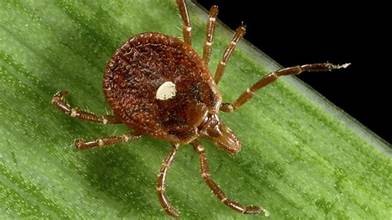
The American Dog Tick and the Lone Star Tick are common in the southeast. Female Lone Star Ticks have a solid white spot on their back, and the males have white markings near the rear. Blacklegged deer ticks are common in our area as well, but they are winter ticks that are less threatening than most people believe. All three of these types of ticks have the potential to transmit diseases, including Lyme disease, human ehrlichiosis, and Rocky Mountain spotted fever (RMSF).
Lyme disease is one of the better-known diseases linked to ticks and, more specifically, the Blacklegged tick. This disease is caused by a bacterial infection called spirochete and can be identified by a distinctive skin lesion at the site of the tick bite. Infection symptoms can include fever, rash, chills, fatigue, headache, and arthritic-like pain. As previously mentioned, the Blacklegged tick isn’t prevalent in warm weather, so it doesn’t present as much of a threat as its reputation suggests.
Symptoms of RMSF and human ehrlichiosis both include fever, rash, and headache, which usually develop a few days after being bitten. Many victims of RMSF and human ehrlichiosis have mistaken their symptoms for the flu. You should talk to a doctor if you experience these symptoms and have been in an environment where ticks would be found.
Preventive tactics to reduce exposure to ticks include wearing light colored, long pants and long-sleeved shirts to stay covered. Light clothing also makes ticks easy to spot. Use permethrin on your shoes and clothing, check thoroughly for ticks after being in tick environments, and wash your clothing immediately once you arrive home. Taking these precautions can help reduce your chances of encountering a tick and contracting disease. If ticks are an issue around your home, there are pesticides approved for dogs. It also helps to keep the lawn mowed short.
If you find a tick on yourself, do not destroy it. Although killing it can be the common instinct, it’s better to detach the tick using tweezers and store it in a vial of alcohol. This precautionary measure can help with tick identification if disease symptoms start to appear. When removing the tick, carefully pull and do not pluck from the skin, or the head could still stay attached. Ticks have a barbed mouth, and quick pulls may allow the mouth to separate from the body and remain inside the person’s skin, which can lead to infection. After detachment, a disinfectant should be applied to the bite site. If you believe it has been attached for more than 6 hours, stay alert for any flu-like symptoms that may arise. After six hours of attachment, ticks are more prone to transmit a disease to their host. If symptoms start to appear, call your doctor and seek further medical advice.
Tick prevention is most effective when consistently practiced, especially during the warmer months. Since ticks are a part of nature and common outdoor environments, being able to take preventative steps can significantly reduce the risk of disease. By keeping these things in mind this summer, you can enjoy the outdoors and the fun activities safely! For more information and safety tips, contact our local office or visit the University of Georgia Extension website for online publications.