Guest author Gwen Hawn, FACS Agent, UGA Extension Hall County
What if I don’t like milk or have a dairy intolerance? What if I had been told I have osteoporosis? What if my child is a picky eater? Sometimes it takes creative ways to make sure you are getting the daily calcium that you or your family needs.
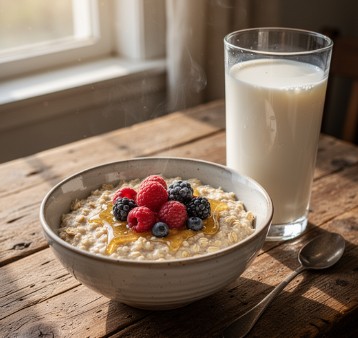
When we think of calcium, dairy products are usually what come to mind. Dairy products such as skim or low-fat milk, low-fat yogurt, hard cheeses and cottage cheese are all excellent sources of calcium and usually vitamin D if they are fortified. If someone doesn’t prefer dairy products, one strategy is to use them in cooking to help provide calcium in hidden ways. Such as when making oatmeal, use milk instead of water to provide a creamier and calcium-rich breakfast. Greek yogurt or low-fat plain yogurt can be added to casseroles to boost their calcium content.
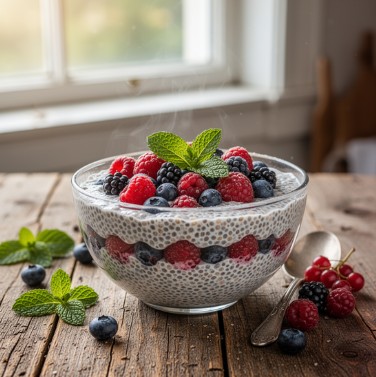
There are also some unexpected foods that can help you meet your daily requirements. Bok Chok, turnip greens, collard greens, kale, edamame, canned tomatoes or broccoli are vegetables that can help encourage calcium in your diet. Add these vegetables to stir fry, pizza or casserole dishes. Canned sardines, salmon, and shrimp are nondairy foods high in calcium. Make salmon patties from canned salmon as an alternative to hamburger patties. A quick and easy stir fry with broccoli and canned shrimp can be a super way to increase your calcium intake. A few fruits can boost dietary calcium as well. Try adding mandarin oranges to a salad or try figs or rhubarb in muffins. Frozen waffles are fortified and can be an alternative way to provide calcium. To keep them a healthy choice top with yogurt or fruit rather than syrup. Nuts and seeds are small but some pack a mighty nutritional punch. Almonds, chia seeds and toasted sesame seeds can be great additions to a dish for flavor, texture and nutrition.
Calcium content:

Broccoli, 1 cup cooked – 86 mg
Collard greens, 1 cup cooked – 350 mg
Turnip greens, 1 cup cooked – 200 mg
Kale, 1 cup cooked – 177 mg
Bok Choy, 1 cup cooked – 158 mg
Canned Tomatoes, 1 cup 80 mg
Edamame, 1 cup shelled, 71 mg
Canned Salmon, 3 oz – 214 mg
Canned Sardines, 3.75 oz – 351 mg
Canned Shrimp, 3 oz – 123 mg
Whole Orange – 65 mg
Medium Mandarin Orange – 32.6 mg
Calcium-Fortified Orange Juice – 350 mg
~ 4 Figs – 50 to 60 mg
Rhubarb, 1 cup – 348 mg
Almonds, ¼ cup – 100 mg
Calcium-set Tofu, ½ cup -250-800 (varies between products – read the food label!)
Almond Milk, 1 cup unsweetened – 482 mg
Whey Protein Powder, 1 tablespoon – 50 mg
Toasted Sesame Seeds, 2 tablespoons – 280 mg
Chia Seeds, 2 tablespoons – 179 mg
White Beans, 1 cup – 200 mg
Frozen Waffles – 100 mg per waffle
Calcium and vitamin D are essential at all ages to maintain your bone health, from birth until your early 20’s you are depositing calcium into your bones. After your early 20’s, your bones become like a one-way bank account. When you do not consume enough calcium your body removes it from your bones, but you can no longer add calcium back in! Check out Recipes – Bone Health & Osteoporosis Foundation (bonehealthandosteoporosis.org) for some recipe suggestions.