
Dr. Roshan T. Ramlal, PhD MPH, FACS Agent, UGA Extension Forsyth County
Shakespeare’s line from The Comedy of Errors, “Small cheer and great welcome make a merry feast,” means that genuine warmth and kindness are what truly make a gathering enjoyable. In addition to warmth and kindness, UGA Extension’s recommended holiday food safety best practices are essential to ensure your family and friends stay jolly and full of cheer during this winter holiday season. It is especially important to protect those who are vulnerable to getting sick: adults over 65, young children (under 5), pregnant women, and people with weakened immune systems. Main reasons for foodborne illnesses are improper temperature control and food handling mistakes due to the busy hustle and bustle that comes with the holiday season. Consider the food safety best practices below as you plan your upcoming holiday meals:
Keep Foods Out of the Danger Zone
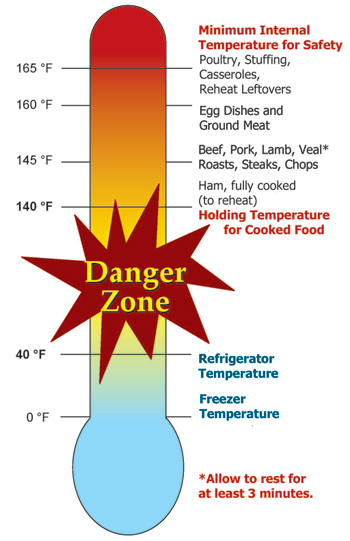
Harmful bacteria grow fastest between 40 ℉ and 140 ℉. Minimizing time in this temperature range, called “the danger zone”, reduces growth of these harmful bacteria. Dr. Carla Schwan, University of Georgia Cooperative Extension food safety specialist, recommends refrigerating leftovers within two hours of cooking. She urges home cooks to remember one key rule: Keep hot foods hot (above 140℉) and cold foods cold (below 40℉). Use a food thermometer to keep foods out of the Danger Zone (40℉ – 140 ℉).
Do Not Wash Raw Poultry
It is not advisable to rinse raw turkey or chicken in the sink since splashing water can spread bacteria like Salmonella or Campylobacter onto kitchen surfaces. Cooking poultry to the correct internal temperature (165℉) for poultry will kill bacteria, so no rinsing is needed.
Use Pasteurized Eggs
Many holiday favorites contain raw eggs like eggnog, custards, tiramisu, hollandaise sauce, and salad dressings. Salmonella and other harmful germs can live on both the outside and inside of eggs, which means it can spread to other sources and foods if not handled properly. Schwan recommends using pasteurized eggnog or using pasteurized eggs in any preparation that will be consumed raw. If raw eggs are used in desserts, like pies, ensure these dishes are cooked to a safe internal temperature of 160℉.
Keep Food Separated
Keep meat, chicken, turkey, seafood and eggs separate from all other foods in your shopping cart and bag in the grocery store and in the refrigerator. Use reusable bags to assist in keeping these items separate as you shop.
Keep Foods Safe
Wash your hands with soap and water before, during, and after preparing food, and always wash them before eating.
Cook Food Thoroughly

Use a food thermometer to make sure meat, chicken, turkey, seafood, and eggs have been cooked to a safe internal temperature to kill germs. Roasts, chops, steaks, and fresh ham should rest for three minutes after you remove them from the oven or grill.
Reheat leftover food thoroughly to a temperature of 165°F, using a food thermometer to check the internal temperature.
Refrigerate Leftovers within 2 hours
Portion leftover food in shallow containers before refrigerating for quicker cooling within 2 hours of cooking. Eat leftovers within 3 to 4 days or freeze them immediately. Use frozen leftovers within 2 to 6 months (2 to 4 months for best quality). It is safe to refreeze leftover turkey and trimmings, even if you purchased them frozen; wrap them tightly for best quality.
The app on this website is handy for food storage tips: Food Safety app
Label Food in Storage
To avoid your guests or family members accidentally serving or consuming leftovers that could result in an allergic reaction, label food storage containers that contain the Big 9 Major Food Allergens: milk, eggs, fish, shellfish, tree nuts, peanuts, wheat, soybeans, and sesame.
Avoid Raw Flour

Uncooked dough and batter containing raw flour or eggs can also contain E.coli and Salmonella. Examples include cookies, cakes, pies, biscuits, pancakes, or holiday crafts. Use heat-treated flour whenever possible. To heat-treat flour at home, follow these directions:
- Preheat the oven to 400°F.
- Spread the flour ¾ inches deep or less on a baking sheet.
- Bake for six minutes.
Keep Baked Goods Covered or Refrigerate
Keep covered to prevent contamination. Many baked goods can be stored at room temperature. Refrigerate baked goods with cream, custard, cheese, meat or vegetable fillings or cream frostings, as well as those that are egg based, like bread pudding.