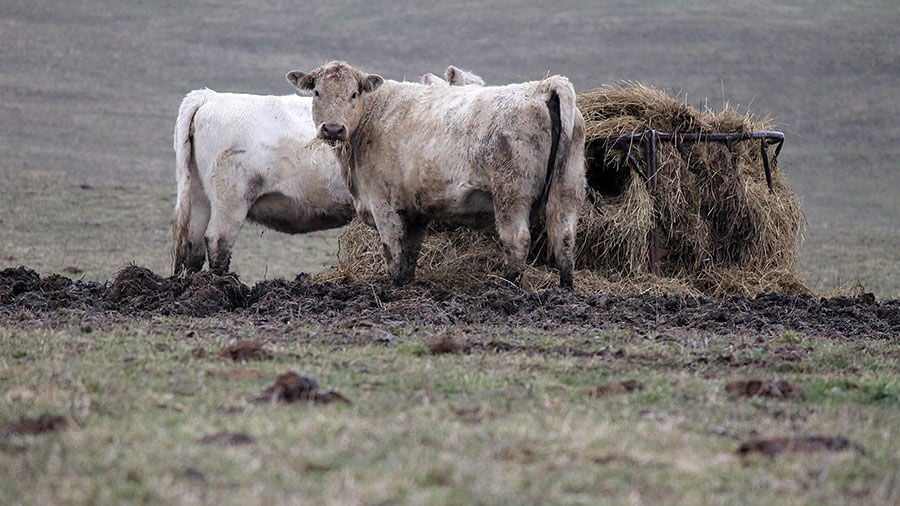
Winter weather in Georgia rarely follows a consistent pattern. Instead of long periods of steady cold, we often see rapid temperature swings combined with rain, wind, and muddy conditions. These winter weather extremes can place significant stress on cattle, even when temperatures are not exceptionally low. Understanding when cold stress occurs and how to respond can help producers maintain cattle performance and body condition.
When Cold Stress Begins in Georgia Cattle
Cattle experience cold stress when the effective temperature, which includes wind chill and moisture, falls below their lower critical temperature. Below this point, cattle must expend additional energy simply to maintain body heat.
Kansas State University research explains that the lower critical temperature varies based on hair coat and environmental conditions. Cattle with a heavy winter coat and dry conditions may tolerate temperatures near freezing before stress occurs. However, when cattle are wet from rain, insulation is greatly reduced, and cold stress can begin at much warmer temperatures, even in the 50 to 60 degree range.
This concept fits Georgia’s conditions well. Our cattle are rarely acclimated to prolonged cold and often face cold rain and wind, which accelerates heat loss and increases energy demands well before temperatures reach freezing.
Energy Requirements Increase Rapidly
Once cattle drop below their lower critical temperature, energy needs increase quickly. Research shows that maintenance energy requirements rise by approximately one percent for every degree Fahrenheit below the lower critical temperature.
UGA Extension Beef Specialist Lawton Stewart has emphasized that during extreme cold events, cattle may require up to 30 percent more energy to maintain body heat. This increase can occur over several days, especially when cold is combined with wet and windy conditions.
A proactive feeding approach works best. Producers should consider increasing energy intake one to two days before a forecasted cold event, maintain higher energy levels during the event, and continue for several days afterward to allow cattle to recover.
Feeding Strategies During Cold Events
Higher-quality hay and energy-dense supplements are effective tools during winter weather extremes. Examples of commonly used supplements include:
- Whole cottonseed
- Distillers grains
- Corn gluten feed
- Soybean hulls
- Balanced commercial feeds
Any changes to feeding programs should be introduced gradually to avoid digestive issues. Fiber-based energy sources often work well during cold weather because they support rumen function and heat production.
Watch High Risk Cattle Closely
Some classes of cattle are more vulnerable to cold stress and should be monitored closely during winter extremes:
- Cattle with low body condition scores have fewer energy reserves
- Young calves lose heat faster due to their smaller body size
- Cows in peak lactation have significantly higher energy demands
These groups often benefit the most from early nutritional adjustments and improved shelter.
Water Access Is Essential
Clean, unfrozen water is critical during cold weather. Reduced water intake leads directly to reduced feed intake, making it more difficult for cattle to meet increased energy demands.
During prolonged cold spells, waterers may freeze for multiple days. Producers should check water sources daily, break ice as needed, and ensure cattle can drink freely throughout cold events.
Do Not Overlook Mineral Nutrition
Free choice mineral access supports immune function, digestion, and metabolic processes that help cattle cope with environmental stress. Mineral feeders should remain accessible and protected from moisture to maintain consistent intake.
Wind Protection Makes a Major Difference
Wind protection is one of the most effective ways to reduce cold stress. Cattle will often seek relief from the wind even before seeking feed or water.
Effective windbreak options include tree lines, low-lying wooded areas, stacks of round bales, or man-made structures. Locating wind protection near feeding areas encourages cattle to maintain intake while staying sheltered. Keeping cattle dry and out of muddy conditions further reduces heat loss.
Takeaway for Georgia Producers
In Georgia, cold stress is often driven more by wet and windy conditions than by low temperatures alone. Helping producers focus on water access, energy intake, mineral availability, and wind protection can significantly reduce winter stress on cattle.
These same principles also apply to sheep and goats, which are often even more sensitive to wet and windy winter conditions.
