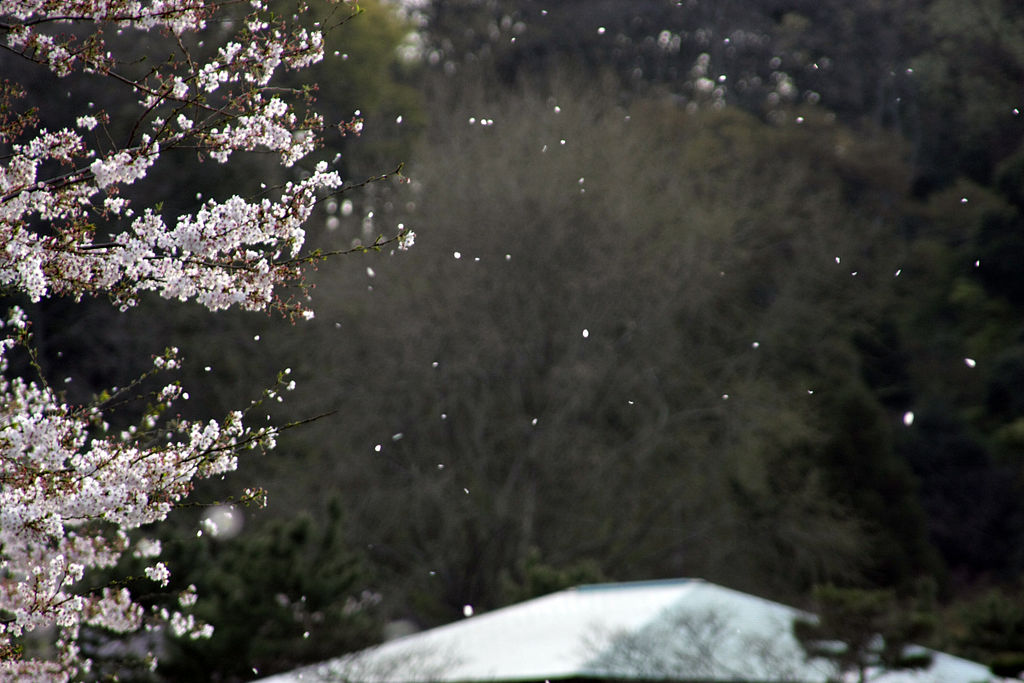
Do you ever wonder how fast the wind is blowing when you are outside? If you don’t have an anemometer to measure the wind speed directly, you may be able to use visual cues to estimate how fast the air is moving by watching the movement of trees or the appearance of waves on a lake or ocean. This estimation was done by sailors long before the wind speed could measure directly using the Beaufort Wind Scale. This is one of the first scales to estimate wind speeds and the effects. It was developed by Britain’s Admiral Sir Francis Beaufort (1774-1857) in 1805 to help sailors estimate the winds via visual observations. The scale starts with 0 and goes to a force of 12. The Beaufort scale is still used today to estimate wind strengths. You can see the scale at https://www.weather.gov/mfl/beaufort or https://www.weather.gov/pqr/wind.