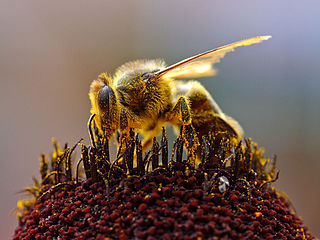
The rain in the Southeast this week has cut down the amount of pollen in the air by quite a bit this week. Trees are leafing out, which means that the pollen-bearing flowers are dropping off. But there are plenty of other sources of pollen still to come. You can see a list of common pollen varieties in the Southeast (and other areas) and when they are most common at https://www.hsallergy.com/patient-education/pollen-calendar/pollen-calendar-southeast/.
As temperatures have warmed since the 1970s, the timing of the pollen occurrence has changed as the growing season has expanded. Some scientists also think that the higher carbon dioxide concentrations in the atmosphere has increased pollen production from some plants. You can read more about this in the EarthGauge article here.