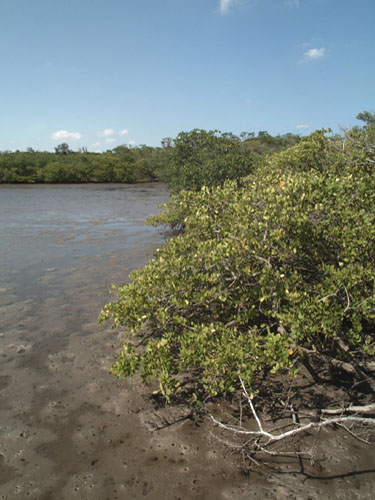
A recent paper found that decades-long, natural climate cycles have determined the northern extent of Florida mangroves for at least the past 250 years. Freeze events that took place approximately every 10 to 30 years caused die-offs, during which mangroves were replaced by salt marshes until warmer trends spurred regrowth. So far, there has not been much association between mangrove groves and climate change. However, that is expected to change in the future as the earth warms up and makes more coastal ecosystems suitable for mangrove growth. That could mean a change in some coastal ecosystems from salt marshes to mangrove thickets. You can read more at https://phys.org/news/2019-10-florida-mangroves-reveal-complex-relationship.html.