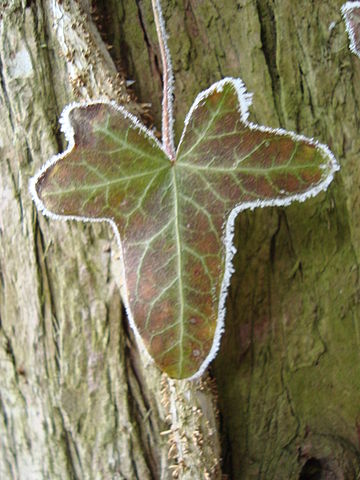
The last few springs have been rough on fruit farmers in the Southeast, with warm winters speeding up the development of flowers and fruit, followed by frosts that are occurring near the long-term average date or even later. This has been true not only in the Southeast but in other parts of the country too. In Georgia, some preliminary research links later frost dates in recent years to the occurrence of the cold air “wedge” that brings freezing air down the east side of the Appalachian Mountains, although those are very early results. That suggests that changing weather patterns may be affecting the flow of air into parts of the Southeast in spring, leading to these late frost events. Here is a similar article from the Indiana Prairie Farmer describing the late-spring cold snaps that are occurring in Indiana and how it is affecting agriculture there.