Here in the Southeast changes in climate have been relatively subtle, with no change in annual average precipitation (although there are changes in rainfall intensity and rainfall by season) and an upward trend in temperatures since about 1970 which has helped contribute to more droughts in recent decades. But in other parts of the world and even the US, changes to local climate have been much more apparent. If you haven’t heard, ask an extension agent from the northern US and listen to what they have been seeing.
But of course, we live in a world that has a global economy and interlocking social relationships, so what happens in one place will inevitably affect us here by changing markets or having to deal with people forced to move by harsh changes to their local environment. Here is a story from The Guardian listing some of the changes that have been seen around the world: https://www.theguardian.com/environment/2017/jun/23/from-heatwaves-to-hurricanes-floods-to-famine-seven-climate-change-hotspots.
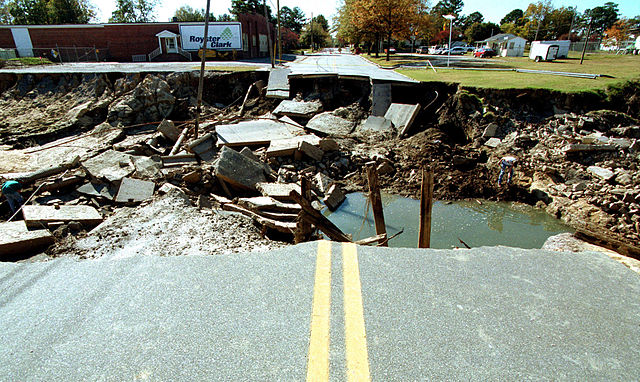
The Washington Post also has an interesting story about how recent extremes in weather, that appear to be coming more frequently than in the past, may be affecting our infrastructure. This is an important consideration for rebuilding bridges, roads, naval bases, power plants and other structures, as the current administration has pledged to do. You can read it here.