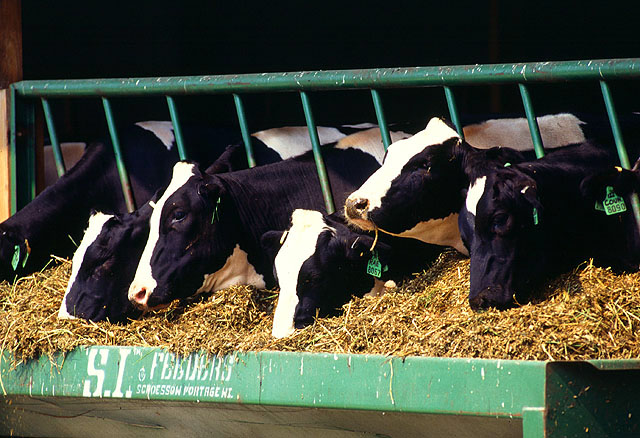
The Detroit Free Press published an article this week describing the impacts of heavy rainfall on watersheds where dairies are located. Many of these dairies apply their animal waste to the land to return nutrients to the soil and reduce waste going to landfills. However, when heavy rains hit, if the manure has not had the chance to sink into the soil, excess runoff can occur, reducing water quality in nearby water bodies like lakes and streams. This can have the impact of causing major fish kills and the growth of toxic blue-green algae. You can read the article here.
In some cases, the increase in flooding rains has caused farmers to rethink their plans. In this story from Yale Climate Connections, one Vermont farmer switched from a cattle farm to raising goats and renting farm plots. According to the story, the heavy rains became more frequent and less predictable, making it harder to manage the land for the effects of flooding. You can read that brief article here.