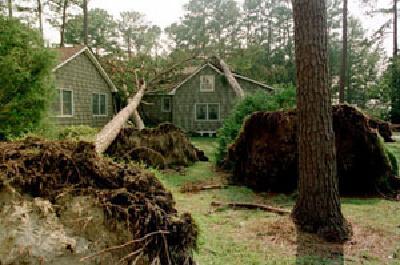
Hurricanes like Katrina and Ida (and Michael, Florence, Matthew, Irma, etc.) can cause tremendous damage to infrastructure from floods, storm surge, and high winds. One of the impacts is destruction of the power supply. Even here in Athens, GA, far from the coast. I had friends who lost power for a week with Tropical Storm Irma, which was not even a hurricane in Georgia. Of course, if you are close to the coast, where the damage is much worse, the power can be out for much longer. And power outages can also occur in winter when ice storms occur, such as the one that crippled parts of Georgia and South Carolina in February 2014. Consumer Reports has a useful guide to what to do if you have a prolonged power outage. Of course there are additional things that you can do, such as use a generator, but if you do, make sure you know how to operate it safely, because after every disaster there are additional deaths from electrocutions, chain saw injuries, and carbon monoxide poisoning from generators used too close to the house.