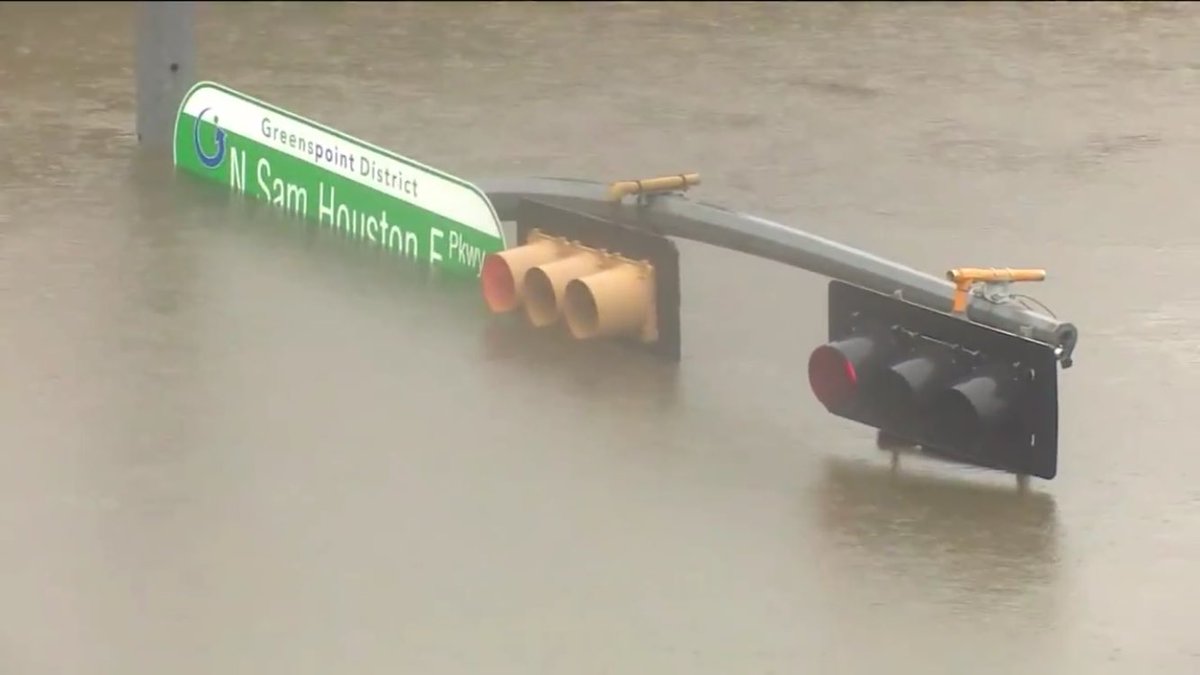
Natural hazards do not have to cause disasters if communities are well prepared for them to occur, but often due to politics, economics, or happenstance this does not occur, leading to injury or even death, destruction, and the loss of community bonds. I don’t often recommend books in this blog but wanted to encourage you to read “The Great Displacement” by Jake Bittle if you want to see some excellent and sad examples of how the impact of natural hazards led to the displacement of people in a number of different settings. Often, well-meaning laws make things worse for some, resulting in the permanent loss of friendships and homes.
This book presents engaging stories that describe the effects of hurricanes (Big Pine Key FL), managed retreat from rising water (Kinston NC), wildfires (Santa Rosa CA), coastal erosion (Point-Au-Chien LA), floods (Houston TX), droughts (Pinal County AZ), and rising sea levels and their impact on real estate (Norfolk VA) on the cities and towns they hit and how they change after the disaster occurs. Since all of these extreme events are likely to become more frequent in a warmer climate, they provide important examples of what will happen in communities across the Southeast and the United States in the future. As the book concludes, “Where will we go?” in the future as many people try to escape from areas threatened by extreme weather or adapt to undesirable conditions if they can’t leave. This book gives you the chance to see what happened to others and encourages you to think about what will happen to your community when the next disaster strikes.