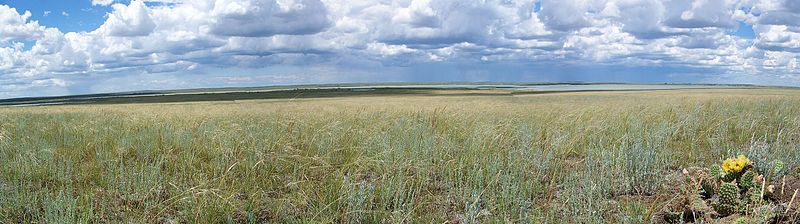
I read an interesting story this morning about how Iowa farmers are contributing to a move to restore prairie across parts of the US. Prairie originally covered much of the central US, and contained an amazingly diverse array of plants, animals and insects. The roots of the prairie plants went deep and helped hold the topsoil in place, even in years with little rainfall. Now, after many years of intensive farming, much of it in corn and soybean mono-crops, with a lot of topsoil loss due to wind and water erosion, some farmers are looking to restore parts of the prairie to its original state. In doing so, they hope they can provide refuges for species like monarch butterflies, which have been decimated in recent years.
But as one farmer in the story points out, every acre that is not planted is a reduction in income that is not easy to pass up. You can read the story in the Washington Post here.