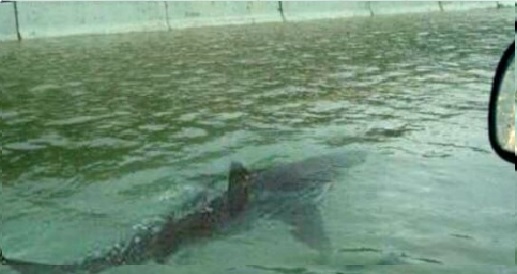
If you follow any social media about the weather, you will probably not be surprised to know that there is a lot of misinformation about upcoming as well as past weather on Twitter and other social media sites. This can include things like photos of tornadoes or other severe weather misattributed to different events, forecasts of rare weather events like snow in the Southeast from single model runs at 384 hours ahead of current time, etc. Many of these are posted just to get clicks for the posters and not because they are serious scientific information. There is a good story about this in the New York Times as posted in Yahoo News at https://news.yahoo.com/storm-online-worse-one-outside-130110223.html. To minimize the chances that you are fooled by fake weather news posts, make sure you are following trusted sources of information and be skeptical of anything that screams about extreme weather and doomsday weather events. They can happen, but most of social media is more noise than good science information. The “shark in flooded streets” is just one example of this, and it often shows up in social media following flooding conditions.