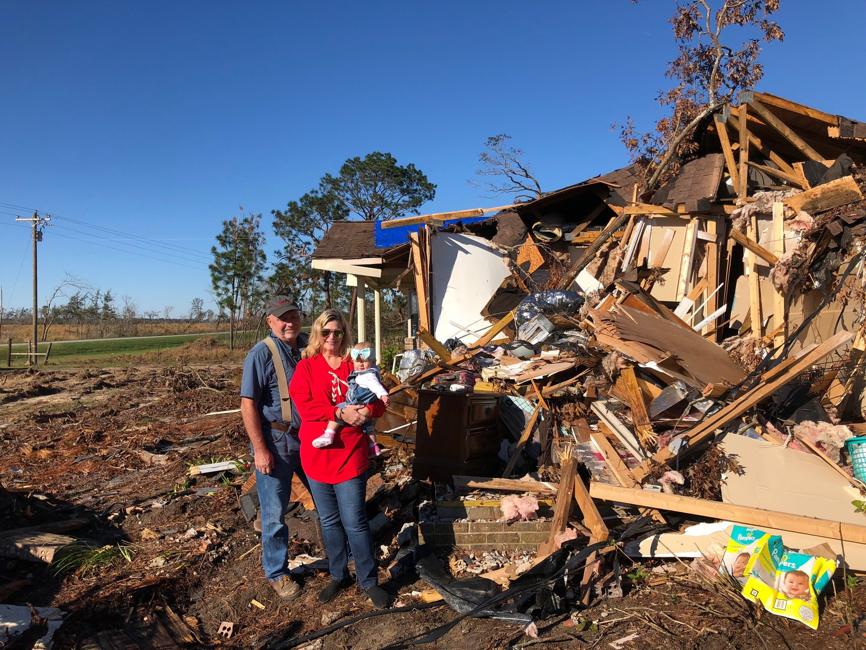
Hurricane Michael came onshore near Panama City, FL, in October 2018. It rapidly intensified just before it made landfall, bringing winds of up to 155 mph along with a devastating storm surge that devastated areas near the coast as well as inland. But in spite of the fact that several years have passed, some lower-income and Black neighborhoods still sport blue tarps and FEMA trailers because their neighborhoods have not been repaired in the aftermath of the storm. This is in spite of federal funding of over $3.1 billion from FEMA and other agencies as well as from the State of Florida. The lack of safe housing has contributed to health issues for many of the residents as well. You can read more about the causes of the delays in Inside Climate News.