The two most common questions we get in the extension office this time of year are:
- What’s wrong with my plant and
- What do I do about it?
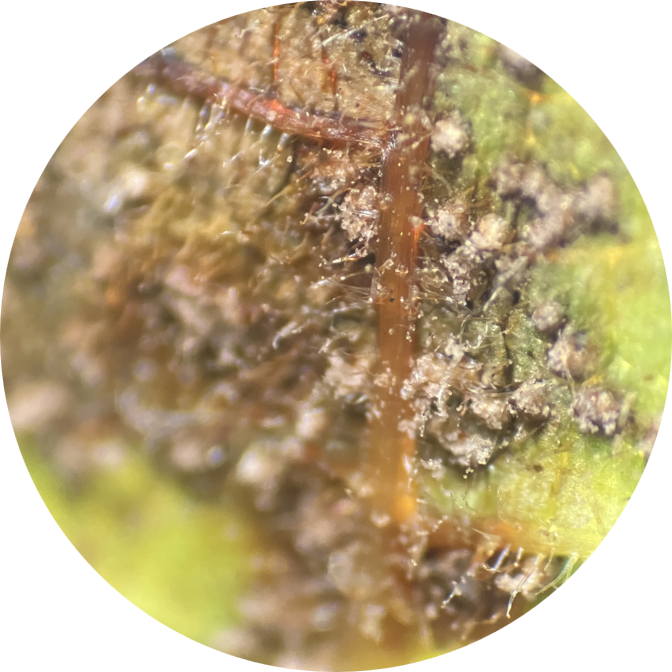
Part of the service we provide through UGA extension is diagnosing plant diseases and providing management recommendations to farmers, those in green industry, and homeowners. As spring weather brings intense bouts of hot, humid weather, we’ve seen a rapid uptick in the number of inquiries regarding sick plants. As agriculture agents and educators, we work with the community in several ways to reach a diagnosis, using a variety of tools and communication methods. Often, we receive phone calls describing symptoms, emails with images of sick plants, and physical samples brought into our extension office.
Knowing what observations to make, how to take proper images, and how to take a sample of a sick plant is essential for getting a proper diagnosis. Often, diagnosis quality is dependent on the information provided and the quality of the sample. Additionally, knowing what symptoms to look for is critical for early detection, significantly improving the chances of being able to resolve the problem.
When contacting us and describing your plant’s symptoms, you will almost always be asked:
- When did you first notice symptoms?
- Where on the plant are they occurring? (ex. If leaves are yellowing, are they only on one one branch? The whole tree?)
- Is it affecting multiple plants? If so, are they clustered together or spread out randomly?
- Do you know the cultivar of the plant?
- Did symptoms progress gradually or rapidly?
- What was the weather like when you first noticed symptoms?
- When was the plant fertilized?
- Were any chemicals applied? If so, what were they?
Before concluding the issue is likely a disease, we try to rule out nutrient issues, weather, insect damage, herbicide or other chemical damage, and other potential problems. If a nutrient issue is suspected, we may recommend a soil test. After ruling out other potential problems, we try to determine if there is a disease that may be affecting your plant.
Images are an incredibly useful tool, when taken correctly. Higher resolution images where the subject is in focus are obviously beneficial. When sending us pictures, try to take multiple images from different angles. We typically ask for a few from further away that include the whole plant in the landscape. This shows us if there are any considerations in the landscape that may be affecting the plant and get a better view of the spread of any potential disease. Next, we ask for close-up images of the effected area: places where you see spots, bumps, abnormal growth, discoloration, fungus, or anything else unusual. The more images, the better.
If you bring a plant into our office, we are happy to take a look at physical samples. Certain diseases are easy to identify on the spot, like powdery mildew, rust, or southern blight. Other diseases, or ones that have not yet developed distinguishable pathogen structures, are trickier and may require additional tools. In our office, we have access to microscopes that can be used to identify spores and other pathogen structures. This is a free service provided by our office.
We were also fortunate enough that, earlier last year, the UGA Plant Disease Clinic was able to resume taking homeowner samples. They provide additional laboratory testing on samples, beyond what we can do in our office. There is a $14 laboratory fee for homeowner samples. Commercial submissions are free provided they are submitted through our office. We recommend contacting us before you arrive at our office to walk you through taking a sample and ensure it will reach the lab as quickly as possible.
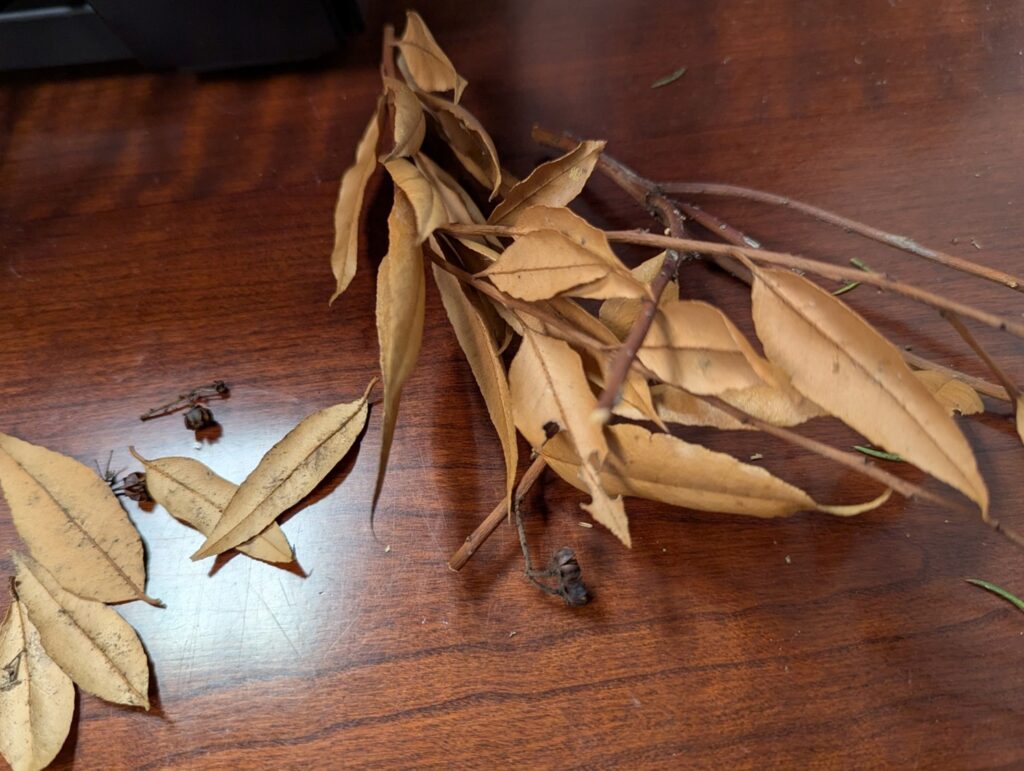
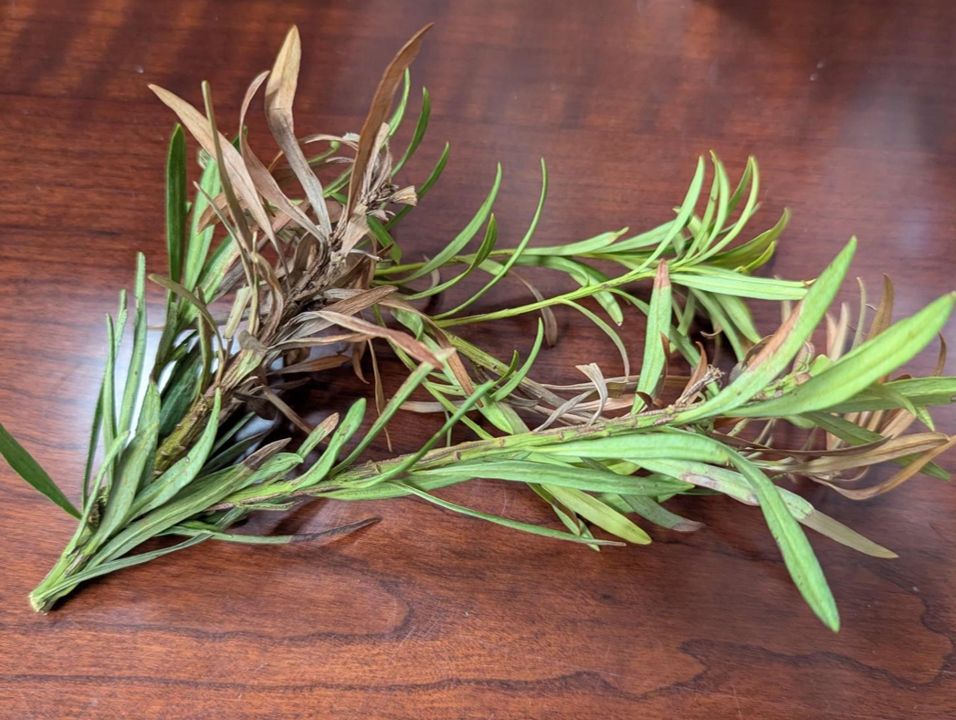
Quality samples should contain both parts of the plant with healthy, living tissue and the part showing symptoms. Completely dead, brown leaves, or dried out plants are often impossible to diagnose. The transition zone between healthy and sick plant is where any pathogens are most likely present and viable. We strongly encourage sending samples earlier in the week on Monday, Tuesday, and sometimes Wednesday to ensure they reach the lab before the weekend. The time to results varies depending on the kinds of tests that need to be run and the volume of samples reaching the lab, but are often received within 1-2 weeks.
Once a diagnosis is reached, either our office or the lab will provide you with the appropriate management recommendations. If you have any questions regarding your sick plants, please call DeKalb County Extension at 404-298-4080 or email us at dekalb.extension@uga.edu.


Leave a Reply