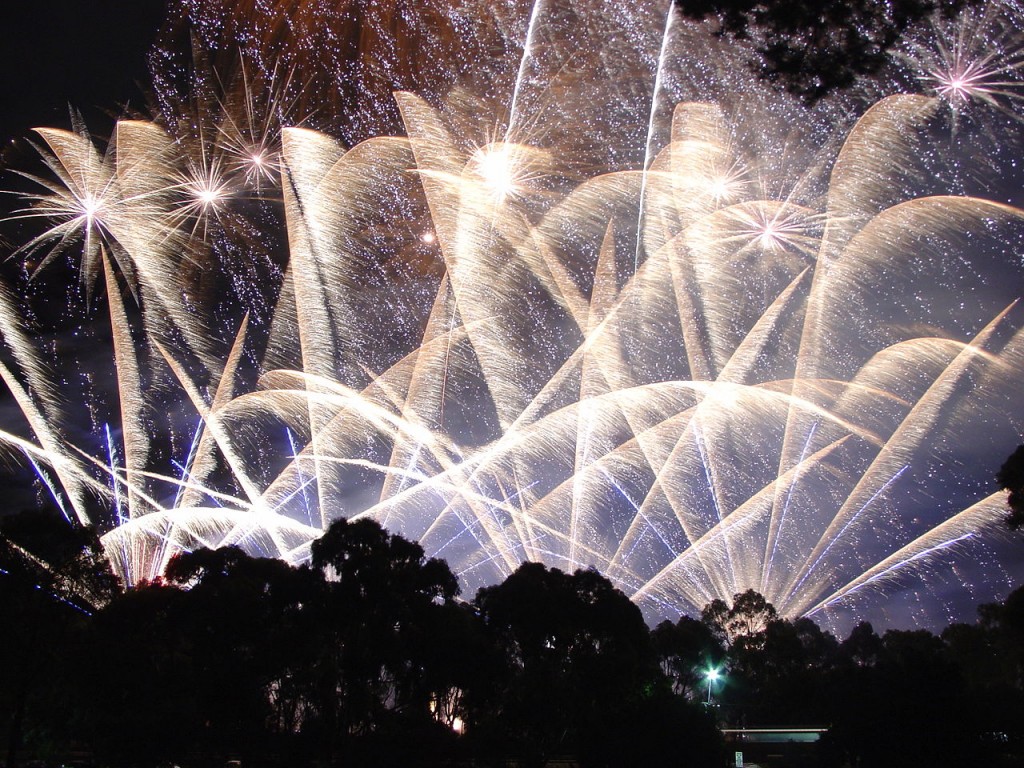
Happy Independence Day! I hope you had a great day, whatever you did. You might be interested in what the weather was like on the original Independence Day, July 4, 1776. Alicia Wasula of Shade Tree Meteorology noted in her blog this week:
While we don’t have nearly as much detail about the weather back in 1776, many of the Founding Fathers (and many others!) took detailed weather observations each day. Especially for farmers, understanding weather patterns was critical to converting seeds each spring into viable income for the year. Thomas Jefferson is well known to have kept a detailed weather log over a period of decades, both from his home in Monticello and when he was travelling.

On July 4, 1776, Jefferson, in Philadelphia, recorded a 6:00 AM temperature of 68 degrees Fahrenheit, and a 1:00 PM temperature of 76 degrees Fahrenheit. He recorded no rain on that date. For reference, the normal maximum temperature in Philadelphia on July 4, based on the newly calculated 1991-2020 climate normals, is 87.5 degrees Fahrenheit. Even back in 1776, July 4 was likely a very pleasant and seasonable day for early July.