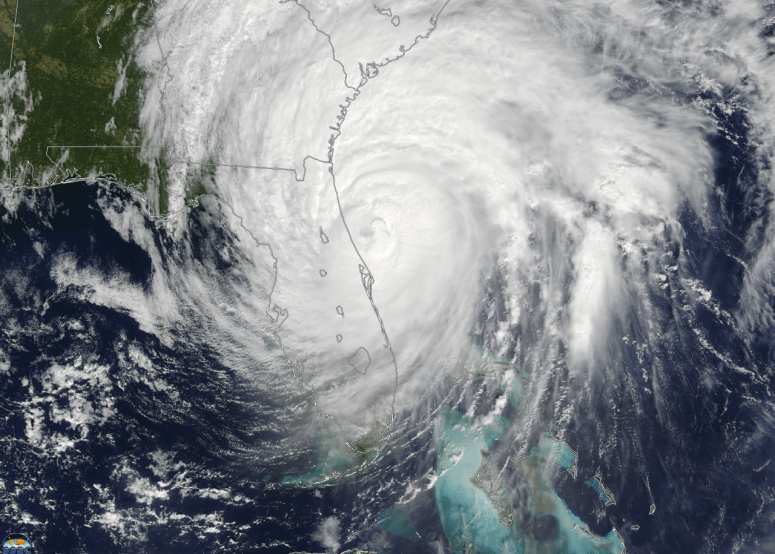
A recent study, published in the journal Nature Climate Change, found that the annual number of global hurricanes, typhoons and tropical storms — or tropical cyclones, more generally — declined by roughly 13% as the planet warmed during the 20th century. But one ocean basin had an increase in storms–the North Atlantic, which is the source area for storms that hit the Southeast. The scientists who did the study said that this only related to the number of storms, not their intensity, and noted that recent storms have been more intense and had more rainfall as they made landfall more slowly. You can read more about the study at CNN.com.