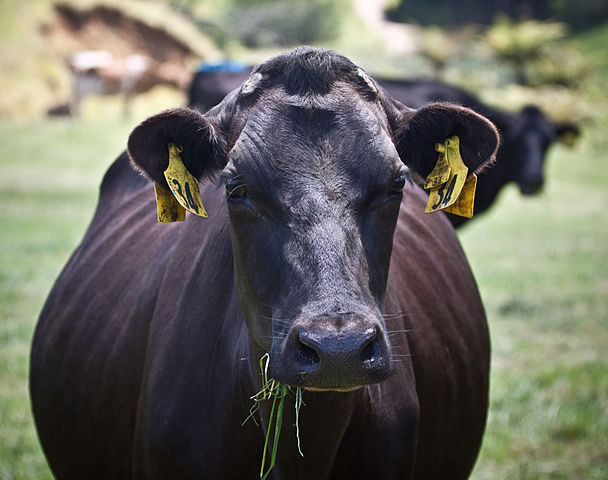
A recent study comparing the methane output of cattle fed on different diets showed that feeding just a few ounces of red seaweed daily to cattle decreased their output of methane by 67%, a potent greenhouse gas that contributes to climate change, according to The Conversation as quoted in Yahoo News. However, it also reduced how much feed they ate, which reduced their output of milk. Scientists tried various combinations of seaweed supplementation and found that just a few ounces a day had a beneficial effect. Instead of producing methane, the cattle emitted more hydrogen, which is not a greenhouse gas and does not affect climate. They also found that steers fed this diet converted feed to body mass more efficiently, which could result in savings to farmers because less feed would be needed. You can read the story here.